
Will Mold Come Back After Remediation?
You paid to have it removed, or you scrubbed it yourself. Now you are watching the wall.
You paid to have it removed, or you scrubbed it yourself, and now you are watching the wall.
The Straight Answer: It can, and when it does, the cause is almost always water. The EPA says that if you clean up the mold but do not fix the water problem, most likely the mold problem will come back. No honest company can promise it will never return, and we do not. What we can do is find the cause, fix it or plan for it, dry everything to readings, and tell you what to watch. Before you pay anyone, ask what is wet, why, and who is fixing it.
Why Does Mold Come Back?
In our experience it is one of a few things.
- The water was never fixed. A leaking line, a roof leak, a downspout dumping at the foundation, a bath fan that vents into the attic. Take the mold off the wall and the source is still there.
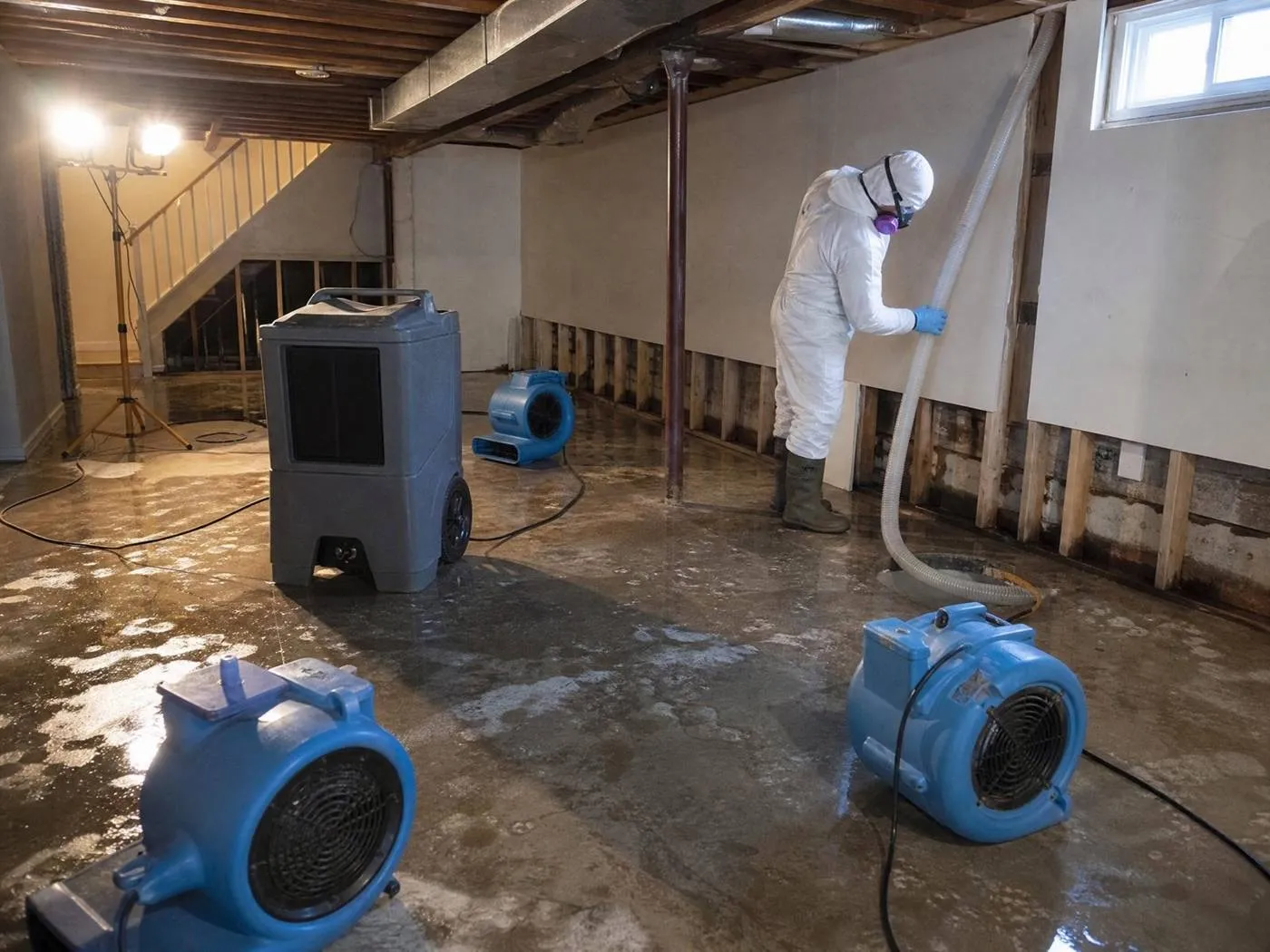
- The framing was closed in damp. Here is the truth: you cannot rip out the drywall, spray something, and close it back up. The studs have to be dry first. We get called in to redo jobs where the walls went up before the framing dried.
- The humidity never came down. A basement that sits above 60 percent all summer feeds growth on whatever is in it.
- It was covered, not removed. Paint, caulk, a fog, or a coating over mold leaves the mold in place. The EPA says not to paint or caulk moldy surfaces, and the S520 standard puts physical removal first.
- A new water event. A sump pump that quits in a storm, a frozen pipe, a washer hose. Different water, same result if it stays wet.
- Something was missed. Growth in a wall cavity or under a floor that nobody opened.
Why Is “Never” the Wrong Promise?
Because spores are everywhere. The EPA says it is impossible to get rid of all mold and mold spores indoors. Every house has some. What you control is whether they find a wet, organic surface to grow on, and that comes down to moisture.
The EPA puts it simply: the key to mold control is moisture control.
What Does a Job That Lasts Look Like?
It follows the same arc every time: find the water, contain the area, remove what has growth on it, clean what stays, dry it to standard, and verify. A few things separate a job that holds from one that does not.
- A written scope that names the moisture source and who is fixing it.
- Porous material with growth removed, not painted.
- Framing HEPA-vacuumed and cleaned, then dried with moisture readings you can see.
- Nothing closed in until the readings say dry.
- A final check by meter and by eye, with independent clearance testing welcome.
Our guide on how you know the job is done has the full checklist. Ask any contractor what their warranty covers and what it does not.
How Do You Keep It From Coming Back?
Most of it is moisture housekeeping.
- Keep humidity under 60 percent, ideally 30 to 50. Put a hygrometer in the basement. A dehumidifier with a drain line beats one you have to empty.
- Dry anything wet within 24 to 48 hours. Then call us if drywall, insulation, or padding stayed wet.
- Send water away from the house. The EPA says to make sure the ground slopes away from the foundation. Downspouts should end well away from the wall.
- Vent bath fans outside, not into the attic.
- Fix leaks the week you find them.
- Keep boxes off the floor and off the walls in a basement.
Our Gettysburg mold calendar breaks that down month by month for houses around here, and our guide on how to prevent mold goes room by room.
What Are the Early Signs It Is Back?
- The musty smell returns, especially in summer.
- A stain ring or new spots on the same wall or ceiling.
- Condensation on windows, cold pipes, or the basement wall.
- Paint that bubbles or peels.
- A hygrometer reading above 60 percent for days.
What If It Does Come Back?
Call us, and say so up front. The first question is whether the water source was ever dealt with. We will take a moisture reading and tell you what we find. If it is a small spot you can handle, we say so. If the cause is still active, we tell you who needs to fix it. See mold removal for how a job runs.
Sources
Checked against these pages in November 2026.
More Questions About Mold Coming Back
Can any company guarantee the mold will never return?
No. Mold spores are in every house, and the EPA says it is impossible to get rid of all of them indoors. No honest company can promise it will never return. What we can do is fix the cause, dry the materials to readings, and tell you what to watch.
How soon can mold come back?
It depends on how wet things get. The EPA says to dry water-damaged areas within 24 to 48 hours to prevent mold growth. If the framing was closed in damp, or the leak is still going, growth can start again within days or weeks.
What humidity should I keep in the house?
The EPA says to keep indoor humidity below 60 percent, ideally between 30 and 50 percent. A hygrometer costs little and tells you where you are. If the basement stays above 60 percent for days, something is feeding it.
I cleaned the mold and it came back. Why?
Most likely the water is still coming in, or the growth was behind the surface and only the top was cleaned. The EPA says that if you clean up the mold but do not fix the water problem, most likely the mold problem will come back.
- Started in Gettysburg in 2012
- IICRC AMRT and WRT certified
- 1-year warranty on every job
- Chuck is on the job, not just the phone