
How to Keep Mold From Growing in Your House
You cannot get rid of every spore. You can take away the water. That is the whole plan.
Mold is not a mystery in most houses. It is a wet spot that nobody got to in time.
The Straight Answer: Mold prevention is moisture control. The EPA says so in plain words: the key to mold control is moisture control. Keep indoor humidity low, dry anything that gets wet within 24 to 48 hours, fix leaks, move rainwater away from the foundation, and run the fans in the bathroom and kitchen. If you already see growth, or a spot that has been wet for days, call us at (267) 828-9088.
What Does Mold Actually Need?
Moisture, and something to grow on. Almost everything in a house counts as something to grow on. Wood, paper, drywall, dust, and fabric all do the job.
That leaves water as the thing you can control. The EPA says mold spores will not grow if moisture is not present, and it also says you cannot remove every spore from a house. Spores float in through the door on your jacket. So stop thinking about killing mold. Think about keeping surfaces dry.
How Humid Is Too Humid?
Agencies do not agree on one number, so here is where they land:
- EPA: keep indoor humidity below 60 percent, ideally between 30 and 50 percent.
- CDC: no higher than 50 percent, all day long.
- HUD: below 50 percent if possible.
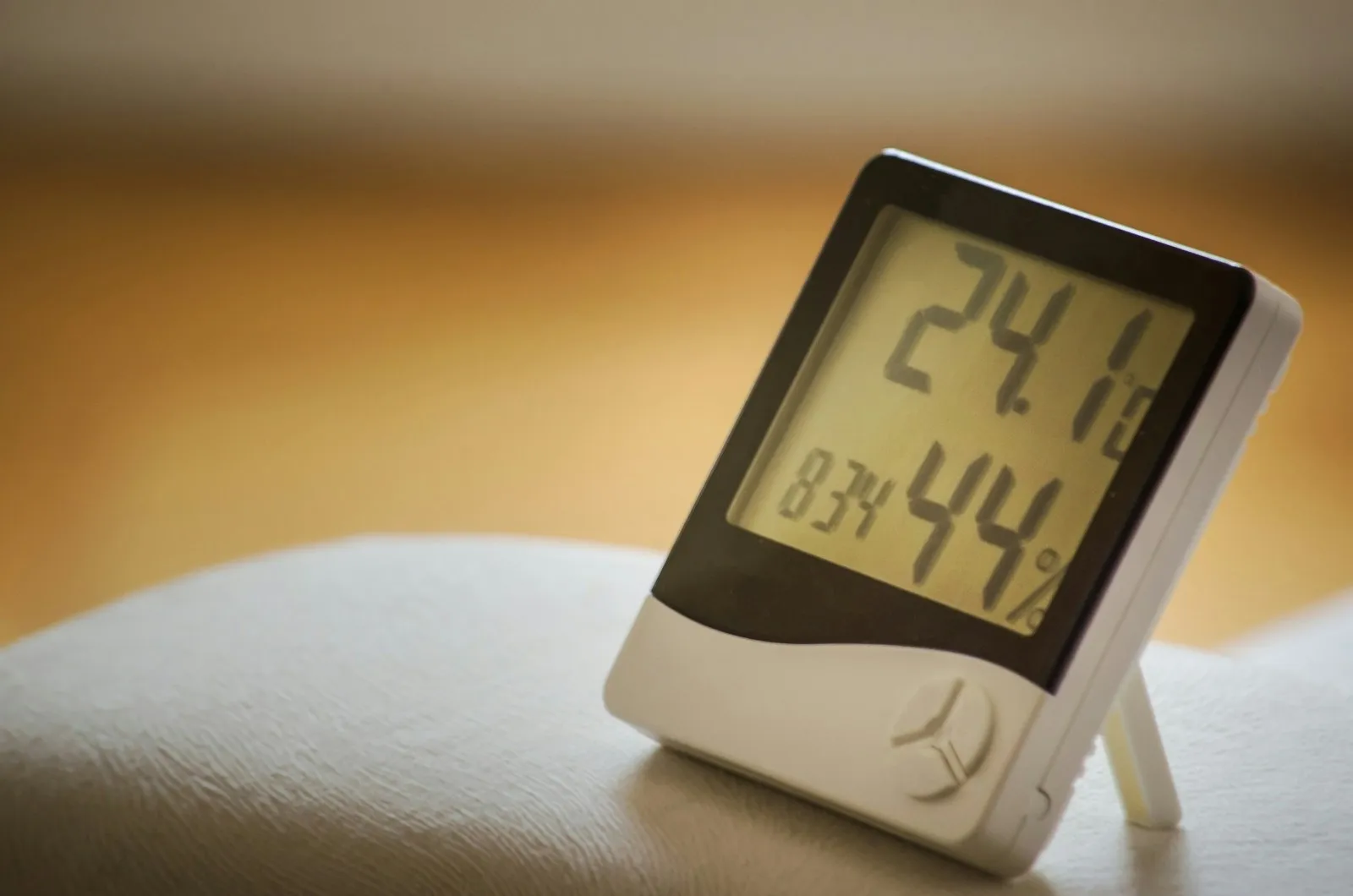
If you want to pick one, pick the lower one. A hygrometer costs little and tells you where you stand. Put one in the basement and one in the bedroom that smells stuffy. Humidity changes through the day and through the season, so check it more than once.
Air conditioners and dehumidifiers are both on the agencies’ lists for bringing it down. If you use a dehumidifier, clean it. A University of Georgia extension guide makes that point directly, and a dirty one becomes its own damp spot. We are not going to tell you what size to buy, because none of the agency pages say, and it depends on the room.
What Is the 24 to 48 Hour Rule?
It is the single most useful habit on this page. The EPA says to dry water-damaged areas and items within 24 to 48 hours to prevent mold growth. The CDC gives the same window for cleaning up and drying out after a flood.
Other sources are a little stricter. HUD says to clean up spills or floods within one day. The Oregon State pesticide information center says mold often will not grow if a spill is dried in one to two days. So the safest reading is: sooner is better, and by day two you should have it dry or have called someone.
That is also why we work fast on water damage calls. Wet materials left more than a day or two start growing mold.
Where Does the Water Come From?
In older houses, we see the same handful of sources. Walk the house with this list.
- Leaks. The CDC says to fix any leaks in the roof, walls, or plumbing so mold does not have moisture to grow. Check under sinks, around the water heater, behind the washing machine, and at the ceiling below any bathroom.
- Gutters and downspouts. The EPA says to clean and repair roof gutters regularly. The Georgia extension adds that downspouts should send water away from the foundation.
- Grading. The EPA says the ground should slope away from the foundation. Georgia gives a number, a 5 percent grade on all sides. Stand outside during a rainstorm and watch where the water goes.
- Condensation. Cold pipes and cold glass collect water from warm, humid air. The EPA suggests insulating cold water pipes. See our guide on window sill mold for what that looks like.
- Crawl spaces and basements. A Penn State Housing Research Center handout notes these areas are often damp and poorly ventilated, which makes them ideal for mold. Georgia’s extension recommends vapor barriers in the crawl space. Whether to encapsulate is a bigger question, and we handle it on the crawl space page.
Do Fans Really Matter?
Yes. Showers, cooking, and laundry put water into the air. The CDC says to use exhaust fans that vent outside the home in the kitchen and bathroom. The Georgia extension says to turn them on when bathing and cooking. HUD says to use ventilation fans in bathrooms and kitchens.
The key phrase is “vent outside.” A fan that dumps into the attic just moves the problem upstairs. We see that a lot, and our attic mold page explains what happens next. The same goes for clothes dryers and stoves. The EPA and Oregon State both say to vent them outdoors.
None of the agency pages say how long to leave a bath fan running. Many people leave it on until the mirror clears, which seems like a reasonable thing to do.
What About the Air Conditioning and Ducts?
Georgia’s extension lists oversized units, duct leaks, dirty coils, and condensation among the common causes of moisture problems. The EPA says not to run the HVAC system if you know or suspect it is contaminated with mold, since it can spread spores through the house. If you suspect that, read about air duct mold cleaning before you do anything else.
What Does Not Work?
Some popular fixes only look like prevention.
- Painting or caulking over mold. The EPA says do not paint or caulk moldy surfaces. Oregon State says paint or caulk over mold will not prevent growth in a humid environment.
- Cleaning without fixing the water. If the surface wets again, the mold comes back. This is a common reason people call us back.
- Mixing cleaners. The CDC says never to mix bleach with ammonia or other household cleaners. The CDC’s control guide says the mix gives off a poisonous gas.
- Testing to see if you are safe. The CDC does not recommend mold testing. See our guide on home test kits.
A Simple Monthly Walk-Through
Ten minutes. Check the hygrometer in the basement. Look under the kitchen and bathroom sinks. Look at the ceiling under the upstairs bath. Check the gutters for overflow after rain. Wipe any wet window sill. Sniff for a musty smell, which the CDC says mold can give off. If something is wet and stays wet, deal with it that week.
If you find growth bigger than about 10 square feet, hidden growth, or a spot that has been wet for days, stop and call. That is what mold remediation is for.
Sources
Checked against these pages in October 2026.
- EPA, A Brief Guide to Mold, Moisture and Your Home and Mold Cleanup in Your Home
- CDC, Mold and Your Health and You Can Control Mold
- HUD, Healthy Homes mold guide
- University of Georgia Extension, Preventing Mold in Your Home
- National Pesticide Information Center, Oregon State University, Mold
- Penn State Pennsylvania Housing Research Center, Mold Awareness in Residential Construction handout
More Questions About Preventing Mold
Can I get rid of every mold spore in my house?
No. The EPA says it is impossible to get rid of all mold and mold spores indoors. Spores will not grow without moisture, so the work is keeping things dry.
What humidity level should I aim for?
The EPA says below 60 percent, ideally 30 to 50 percent. The CDC says no higher than 50 percent. If you want one number to act on, stay under 50 and check it with a cheap hygrometer.
Does a dehumidifier prevent mold?
It can, if the humidity is the problem. The EPA and CDC both list dehumidifiers and air conditioners as ways to lower humidity. It does nothing for a leak. A dehumidifier in a wet basement with a bad downspout is bailing a boat with the hole still open.
Do air purifiers help?
None of the agency pages we checked address air purifiers. What they all say is that water control comes first, because a purifier does nothing about a wet surface where mold is growing.
We Will Find the Moisture and Tell You What to Fix.
(267) 828-9088Request an inspection- Started in Gettysburg in 2012
- IICRC AMRT and WRT certified
- 1-year warranty on every job
- Chuck is on the job, not just the phone