
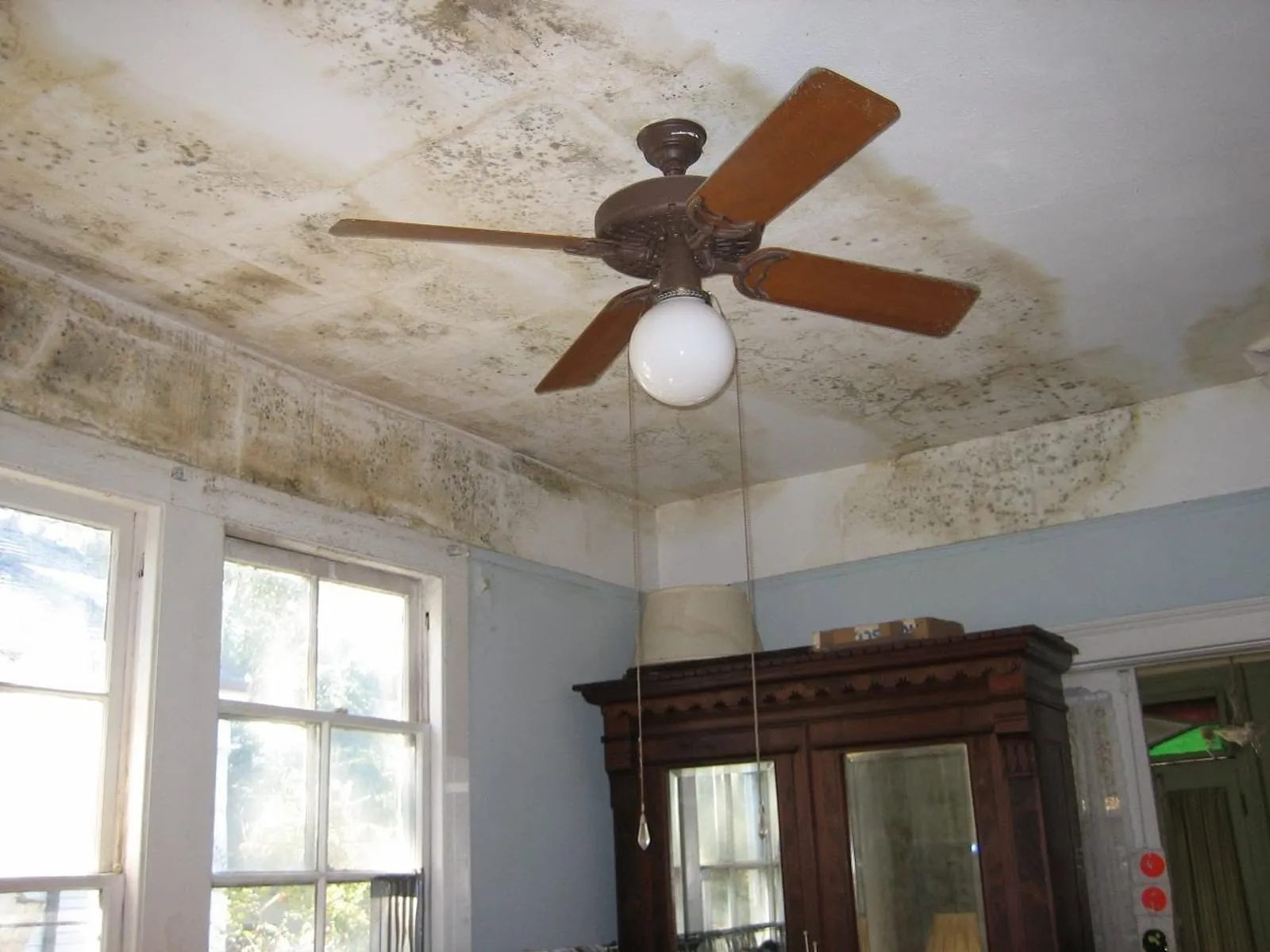
Is It Mold or Mildew? What We Tell Homeowners
Same family, different word. Here is when the name matters and when it does not.
You found dark or fuzzy spots in the shower, on a window sill, or on a basement wall, and you want to know what to call it.
The Straight Answer: There is not much difference. The EPA says mildew refers to certain kinds of mold, and most people use the word for flat growth in damp spots like showers. What matters is how much there is, what it is growing on, and why it is wet. If it is a small spot on a hard surface, you can clean it yourself. If it covers more than about 10 square feet or keeps coming back, call us at (267) 828-9088.
What Is the Difference Between Mold and Mildew?
Mildew is one of the words people use for mold. The EPA puts it this way: mildew refers to certain kinds of mold or fungus. Its page on the subject says the word is often used for mold with a flat growth habit, and that mildew often lives on shower walls, windowsills, and other places where moisture is high. HUD says the same in its homeowner guide: mold is often called “mildew.”
You will read on plenty of websites that mildew is harmless surface stuff and mold is the dangerous kind. Neither the EPA nor the CDC pages we checked make that distinction, so we do not either. Both are fungi, and both need moisture to grow.
Gardeners use the word differently. Powdery mildew on a squash leaf is a plant disease caused by a fungus, as Penn State Extension explains. It has nothing to do with the spots in your shower.
How Can You Tell Which One You Have?
Honest answer: you mostly cannot, and you do not need to. The CDC says mold can look like spots of many different colors and can smell musty, and that you do not need to know the type of mold. If mold is growing in your home, you clean it up and fix the moisture problem.
So we skip the name game and look at five things instead:
- What is it growing on? Tile, glass, and painted trim are hard surfaces. Drywall, ceiling tile, and carpet are porous, which matters a lot for cleanup.
- How much is there? The EPA says homeowners can usually handle an area smaller than about 10 square feet, roughly a 3 by 3 foot patch.
- Is it where water sits? Showers, window sills, under sinks, outside walls, behind furniture.
- Does the room smell musty even when you cannot see anything? That can point to growth somewhere hidden.
- Did it come back after you cleaned it? If it did, you have a water problem, not a cleaning problem.
How Do You Clean Small Spots Safely?
On hard surfaces, the EPA says to scrub mold off with detergent and water and dry the area completely. That is where we would start.
Bleach is where people get stuck. The EPA says bleach is not recommended as a routine practice in mold cleanup. The CDC says bleach or dish detergent can be used, no more than 1 cup of bleach in 1 gallon of water, and never mixed with ammonia or other cleaners. Detergent does the job on hard surfaces, and it is one less thing to get wrong in a small bathroom.
Soft materials are different. The EPA says porous materials like ceiling tiles and carpet may have to be thrown away if they get moldy. Do not paint or caulk over mold. The EPA says paint over a moldy surface is likely to peel, and the mold keeps going underneath.
Wear at least an N95 respirator, gloves, and goggles. The CDC says to wear at least a NIOSH-approved N95 respirator for cleanup.
Why Does It Keep Coming Back?
Water. The EPA is blunt about it: if you clean up the mold but do not fix the water problem, the mold will most likely come back.
In older houses, the usual suspects are easy to find. A bathroom fan that vents into the attic instead of outside, or one that is too small to clear a hot shower. Cold stone and block basement walls that sweat in humid weather. Window glass that runs wet all winter. We go through each in our guides on mold on window sills and how to prevent mold.
When Is It More Than a Cleaning Job?
Call someone when any of these is true:
- The mold covers more than about 10 square feet.
- Drywall or other soft material is damp, crumbly, or stained.
- The room smells musty and you cannot find the source.
- The cause was sewage or other contaminated water. The EPA says to call in a professional. If you suspect mold in the heating and cooling system, the EPA says not to run it.
- Someone in the house has asthma, allergies, or a weak immune system. The CDC says exposure to damp, moldy places can cause a variety of health effects, or none at all, and that people with asthma, allergies, or weakened immune systems can be affected more. If you have health concerns, talk to your doctor.
If it is a few spots on shower grout, you do not need us. If it is bigger, or you cannot find where the water is coming from, that is what an inspection is for, and remediation is what follows if the mold has to come out.
Sources
Checked against these pages in October 2026.
More Questions About Mold and Mildew
Is any house completely free of mold?
No. The EPA says it is impossible to get rid of all mold and mold spores indoors. So the goal is not zero spores. It is no growth, nothing visible, and no musty smell, and the way there is controlling moisture.
Will it go away if the area dries out?
The growth stops, but the stain and the dead mold are still there. The EPA says dead mold can still cause allergic reactions, so it should be cleaned off hard surfaces and removed from soft ones. Drying is step one, not the finish.
Can an air purifier fix it?
A purifier may catch some spores floating in the air. It does nothing about a patch growing on the wall or the water feeding it. Fix the water and deal with the patch first.
Is the white fuzz on my basement wall mold or mildew?
Neither, maybe. White powder on stone, block, or concrete is often mineral salt left behind by water. Our guide on efflorescence vs. mold shows how to tell them apart.
Send Us the Photo. We Will Tell You Straight.
(267) 828-9088Request an inspection- Started in Gettysburg in 2012
- IICRC AMRT and WRT certified
- 1-year warranty on every job
- Chuck is on the job, not just the phone